
Best Practices for Managing Meeting Invitations at Scale
As organizations grow, managing meetings becomes more complex. Coordinating schedules across teams, departments, or external partners requires a structured approach. Calendar-based scheduling has become the preferred method for handling this complexity.
BLOG
1/28/20261 min read
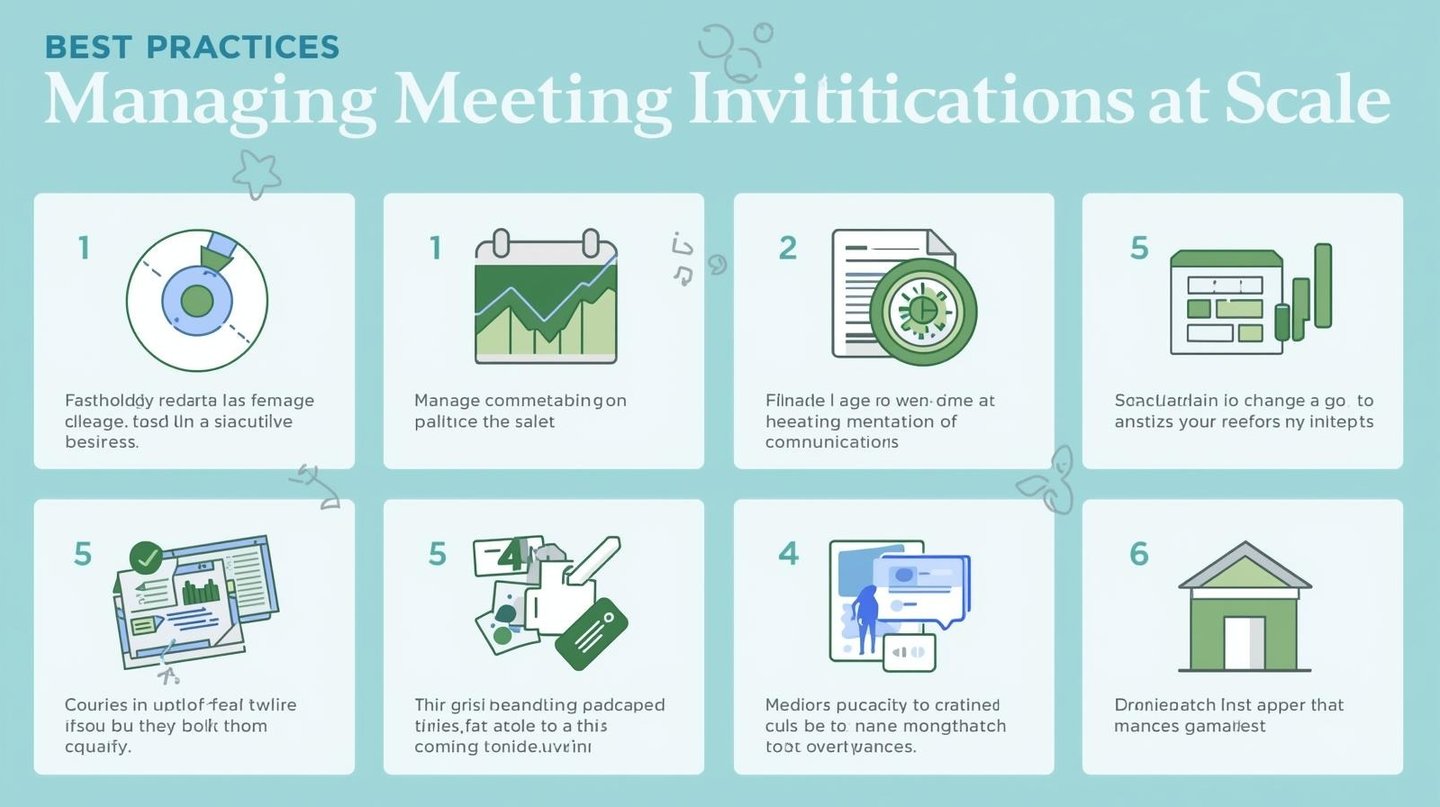
As organizations grow, managing meetings becomes more complex. Coordinating schedules across teams, departments, or external partners requires a structured approach. Calendar-based scheduling has become the preferred method for handling this complexity.
This blog explains how to manage meeting invitations at scale while maintaining clarity and professionalism.
The Importance of Structured Meeting Scheduling
Unstructured scheduling often leads to missed meetings and confusion. A consistent invitation process ensures everyone stays aligned and informed.
Using calendar-based invitations provides:
Centralized meeting details
Automatic updates
Clear attendance tracking
When Large-Scale Meeting Invites Are Needed
There are many scenarios where large-scale scheduling is required, such as:
Company-wide announcements
Training programs
Webinars
Client onboarding sessions
In these cases, teams may rely on mass meeting invites in O365 or similar enterprise environments.
Sending Large-Scale Invites via Outlook
Many organizations prefer Outlook for meeting coordination. Knowing how to send mass meeting invites in Outlook allows teams to manage attendance efficiently and avoid scheduling conflicts.
Accuracy is critical when dealing with large groups.
Managing Bulk Meeting Invitations
Handling bulk meeting invites requires careful planning. Organizers should:
Segment attendees when possible
Clearly state the purpose of the meeting
Monitor responses regularly
This approach improves engagement and reduces confusion.
Sending Multiple Invites Responsibly
When sending a calendar invite to many participants, it’s important to ensure relevance. Avoid inviting people who don’t need to attend, as excessive invitations can lead to disengagement.
Common Challenges with Mass Scheduling
Some challenges include:
Overlapping meetings
Low attendance rates
Missed updates
Duplicate invitations
These issues can be minimized with structured processes.
Tracking Attendance and Engagement
Tracking attendance helps organizers understand participation levels and improve future scheduling. It also enables better follow-ups and post-meeting communication.
Best Practices for Professional Meeting Coordination
To improve results:
Keep invites clear and concise
Send reminders only when necessary
Cancel meetings properly if plans change
These practices build credibility and respect participants’ time.
Conclusion
Managing meetings at scale doesn’t have to be complicated. With thoughtful planning and clear communication, organizations can handle large volumes of meeting invitations smoothly and professionally. Calendar-based scheduling remains one of the most effective ways to keep teams connected and productive.
MassCalendar.in
Send Bulk & Mass Calendar Invites Instantly
CONTACT
Meetings
+44 (0) 203 916 5117
© 2025. All rights reserved.
Help?