Enterprise Automation Connecting CRMs, Zoom, and Let's Calendar for Hands-Off Scheduling
For modern systems managers, customer success directors, and event coordinators, driving registration numbers is only half the battle. The true operational hurdle is ensuring your registrants actually show up to your scheduled digital sessions.
BLOG
6/17/20263 min read

For modern systems managers, customer success directors, and event coordinators, driving registration numbers is only half the battle. The true operational hurdle is ensuring your registrants actually show up to your scheduled digital sessions.
When organizations try to bridge the gap between their marketing databases and attendee calendars, they often resort to basic, manual workarounds.
They search for simple tips on how do you send a calendar invite at scale or write custom macros to try and send meeting invites in outlook directly from local spreadsheets.
However, trying to send meeting invite in gmail or Microsoft architectures natively without dedicated throttling leads to domain blacklisting and massive data privacy leaks.
This technical guide outlines how utilizing a robust, automated bulk calendar pipeline via Let’s Calendar, Zoom, and Zapier secures prime space on your audience's schedule while protecting your critical email deliverability.
Technical Audit: The Risk of Native Broadcasts
When Operations teams realize they need to put events directly onto their contacts' schedules, they instinctively try to make standard corporate email accounts do the heavy lifting. They research how to send invitation on outlook to external databases, copy a massive list of contacts into a single BCC meeting block, and hit send.
This manual strategy introduces three critical technical failures:
[Manual Mass Invite] ➔ [Exposed Shared Directory] ➔ [Immediate GDPR / Privacy Violation]
OR
[Unthrottled O365 Broadcast] ➔ [Spam Filter Security Trigger] ➔ [Corporate Domain Blacklisted]
Identity Exposure: Trying to send meeting invites in outlook natively creates a collaborative calendar thread. Recipient directories are made completely public, exposing private client data to everyone else on the guest list.
Deliverability Penalties: Trying to quickly send meeting invite outlook attachments to hundreds of external accounts flags spam algorithms, sending your invites straight into the spam or junk folder.
Friction and No-Shows: Static marketing emails that ask users to manually click an "Add to Calendar" link suffer from massive click-through drops. If a user forgets to manually save the date, they simply miss the session.
The Integration Fix: Connecting Zoom and Zapier
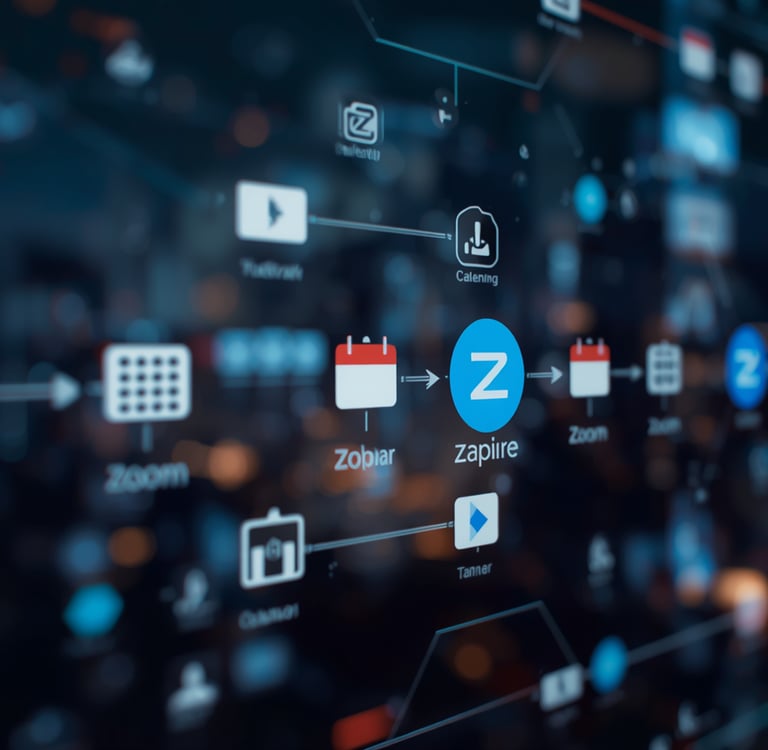
Let’s Calendar acts as a centralized automation layer that completely bypasses these deliverability blocks. Instead of forcing your teams to research how to send invites on outlook manually, the platform features native integrations with Zapier and Pabbly Connect, allowing you to link your CRM (such as HubSpot or Salesforce) directly to your calendar outreach.
When a lead registers on your website or Zoom landing page:
Zapier captures the registrant’s parameters (Name, Email, Session details) in real-time.
Let's Calendar instantly processes the data and generates a secure, personalized how to send outlook calendar invite sequence.
The event drops directly onto your recipient's Google, Apple, or Outlook schedule automatically, securing that time block.
The 6-Step Automated Workflow
Transitioning your systems to automated scheduling takes less than five minutes and requires zero coding or complex technical setups:
1. Register Your Account
Navigate to Let’s Calendar and set up your profile. You can start with their Forever Free Plan to configure your sending domains and test the workflow before scaling up to high-volume enterprise tiers.
2. Configure Your Email Identity
Connect your corporate Microsoft 365 or Google Workspace account with a single click. Because Let’s Calendar routes invitations directly through your true inbox, this step ensures your audience recognizes your brand, maintaining optimal sender trust.
3. Build Your Automated Campaign
Design your campaign parameters in the intuitive dashboard. Input your event title, agenda, and video links. You can use dynamic merge tags (such as {FirstName}) to keep every outgoing invite looking highly personalized, eliminating the need to research how to send an outlook invite manually for different groups.
4. Integrate Zoom and Your CRM via Zapier
Create a multi-step Zap. Set your trigger as "New Registrant" in Zoom or your CRM. Set your action step to "Create Invitation" inside Let's Calendar. This removes the need to manually export and import attendee spreadsheets.
5. Deploy Your Automated Invites
Once activated, Let’s Calendar handles the systematic delivery queues behind the scenes, eliminating the need to worry about manual limits when trying to how to send calendar invite in outlook.
6. Track RSVPs in Real-Time
Monitor customer engagement on the centralized analytics dashboard. Instantly track who has accepted, declined, or remained undecided, helping you maintain an accurate headcount and schedule automated follow-ups with ease.
Secure Your Scheduling Infrastructure
Stop losing valuable hours to basic tutorials explaining how to send an invitation in outlook or struggling to manage messy list sheets manually.
By migrating your event coordination to Let’s Calendar, you protect attendee data privacy, bypass technical deliverability blocks, and scale your brand's digital events with ease. Visit Let’s Calendar today to simplify your bulk scheduling and ensure your next major virtual event is a massive success.
MassCalendar.in
Send Bulk & Mass Calendar Invites Instantly
CONTACT
Meetings
+44 (0) 203 916 5117
© 2025. All rights reserved.
Help?