Mastering Time Management for Speakers and Events
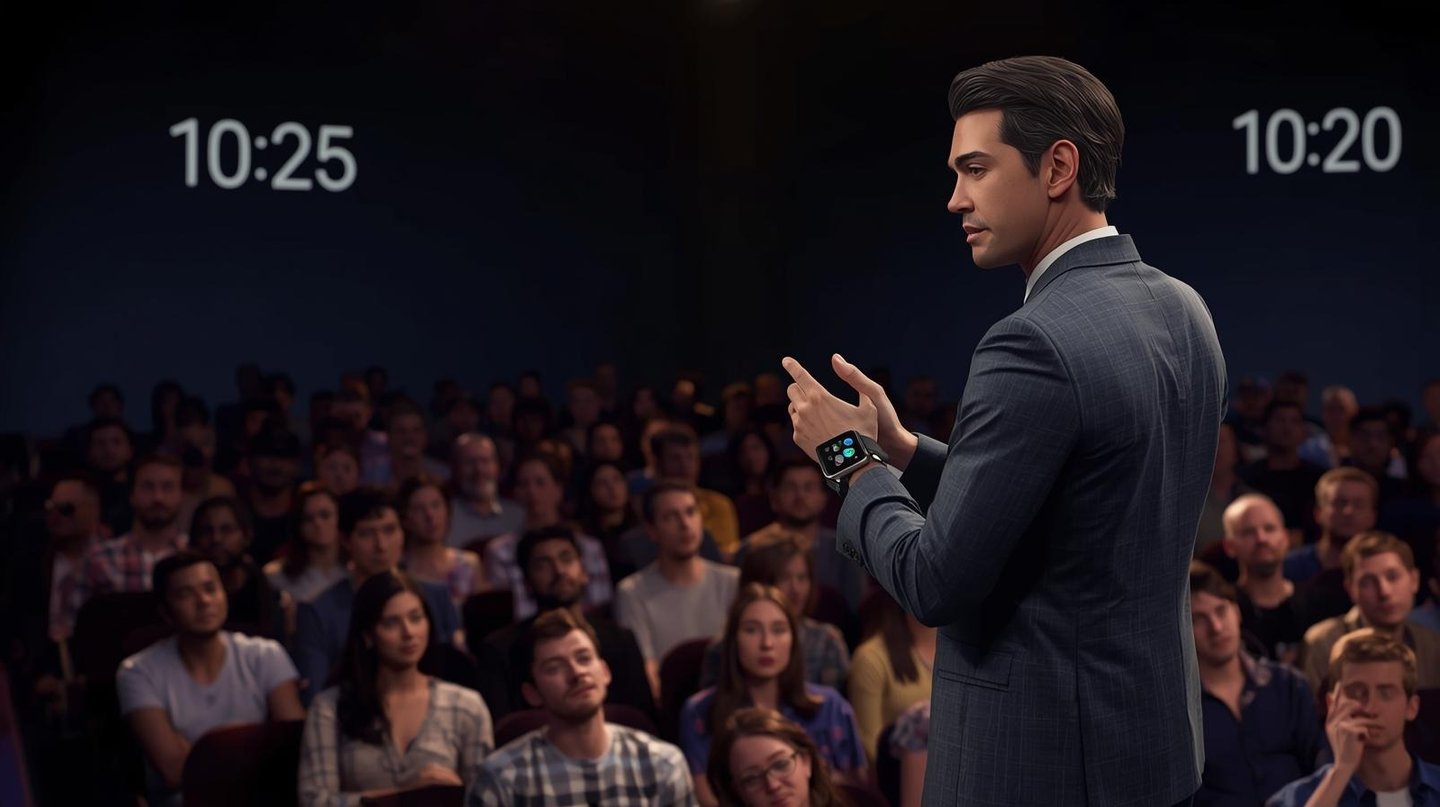
Time management plays a central role in the effectiveness of events, presentations, and speaker sessions. Whether you're managing an auditorium filled with professionals or conducting a small webinar with remote attendees, staying on schedule ensures the event remains smooth and well-organized. This is why tools such as a conference timer, stage timer, and various countdown systems have become indispensable for organizers.
BLOG
12/12/20253 min read
Time management plays a central role in the effectiveness of events, presentations, and speaker sessions. Whether you're managing an auditorium filled with professionals or conducting a small webinar with remote attendees, staying on schedule ensures the event remains smooth and well-organized. This is why tools such as a conference timer, stage timer, and various countdown systems have become indispensable for organizers.
Understanding the Role of Timers in Events
A well-executed event depends heavily on timing. When sessions run late or speakers exceed their allotted time, it creates a chain reaction that disrupts the entire program. To avoid this, planners often utilize tools like a timer for presenters or a countdown timer for speakers, keeping every session aligned with the agenda.
Timers ensure:
Sessions start and end on time
Breaks remain predictable
Audience engagement remains consistent
Technical teams maintain synchronization
Why Countdown Timers Are Essential
A countdown timer for events offers a visual time reference that helps both the speaker and the event crew. Whether projected backstage or displayed on a separate device, this tool ensures clarity, especially when transitioning between different parts of the program.
Countdown timers prevent situations such as:
Sudden rushing of content
Extended monologues
Audience fatigue
Misalignment between presenters
For online events, a countdown timer for webinar ensures remote presenters coordinate effectively.
Helping Speakers Stay Organized
Speakers often have numerous points to cover within a limited time. Without proper guidance, even experienced presenters may lose track. A dedicated timer for speakers acts as a subtle reminder, helping them stay within the time limit without losing flow.
Why time guidance is essential for speakers:
It ensures pacing remains steady
It avoids over-explaining unimportant details
It helps with better transitions
It increases professionalism
A good timer for presentation can help speakers maintain energy and confidence throughout the session.
Timers in Digital, Hybrid & On-Ground Events
With globalization and the rise of remote participation, digital and hybrid events have become mainstream. These events demand strict timings, especially when multiple speakers or global time zones are involved.
Countdown tools like a countdown timer for presentation or a conference timer help synchronize all activities, ensuring a seamless flow for both virtual and physical attendees. They also help in maintaining attention, as remote participants expect schedules to be followed precisely.
Enhancing Event Experience with Stage Timers
Live events require precision. A stage timer helps backstage teams coordinate lighting, sound, stage transitions, and speaker movement. It allows performers and presenters to feel confident without constantly checking personal devices.
A synchronized stage timer also supports:
Award shows
Conferences
Panel discussions
Entertainment events
When timing aligns, the entire production looks more polished and professional.
Using Timers for Webinars and Workshops
Online sessions often experience delays due to technology, questions from participants, or extended explanations. A countdown timer for webinar helps prevent these issues by keeping each part of the session structured.
These timers are useful for:
Training sessions
Educational classes
Panel-based webinars
Live Q&A segments
The goal is to ensure the session remains engaging and efficient.
How to Use Timers Effectively During Events
To make the most out of your timing systems, event teams can follow these best practices:
1. Choose the Right Timer
Different events require different timing solutions. For instance, a small workshop may only need a basic timer for presentation, while large events may require multiple displays.
2. Keep Timers Visible
Position timers so speakers and coordinators can clearly see them without distractions.
3. Use Alerts
Visual or audio alerts help presenters adjust their speed or wrap up gracefully.
4. Pre-Event Testing
Make sure all timing devices work properly before the event begins.
5. Coordinate Across Teams
All departments AV, stage, speaker management must work with synchronized timing.
The Impact of Effective Timing
When events maintain timing accuracy, the entire experience becomes smoother for everyone involved. Audience members stay attentive, speakers feel more confident, and event coordinators operate with less stress.
Proper timing contributes to:
Higher productivity
Better content delivery
Reduced delays
Predictable schedules
Conclusion
Timers are essential tools in event management. Whether you're using a countdown timer for speakers, a conference timer, or a timer for presenters, they provide structure, discipline, and clarity.
By integrating effective timing systems, events become more polished, professional, and memorable. From stage performances to webinars, the right timing ensures every moment counts.
MassCalendar.in
Send Bulk & Mass Calendar Invites Instantly
CONTACT
Meetings
+44 (0) 203 916 5117
© 2025. All rights reserved.
Help?