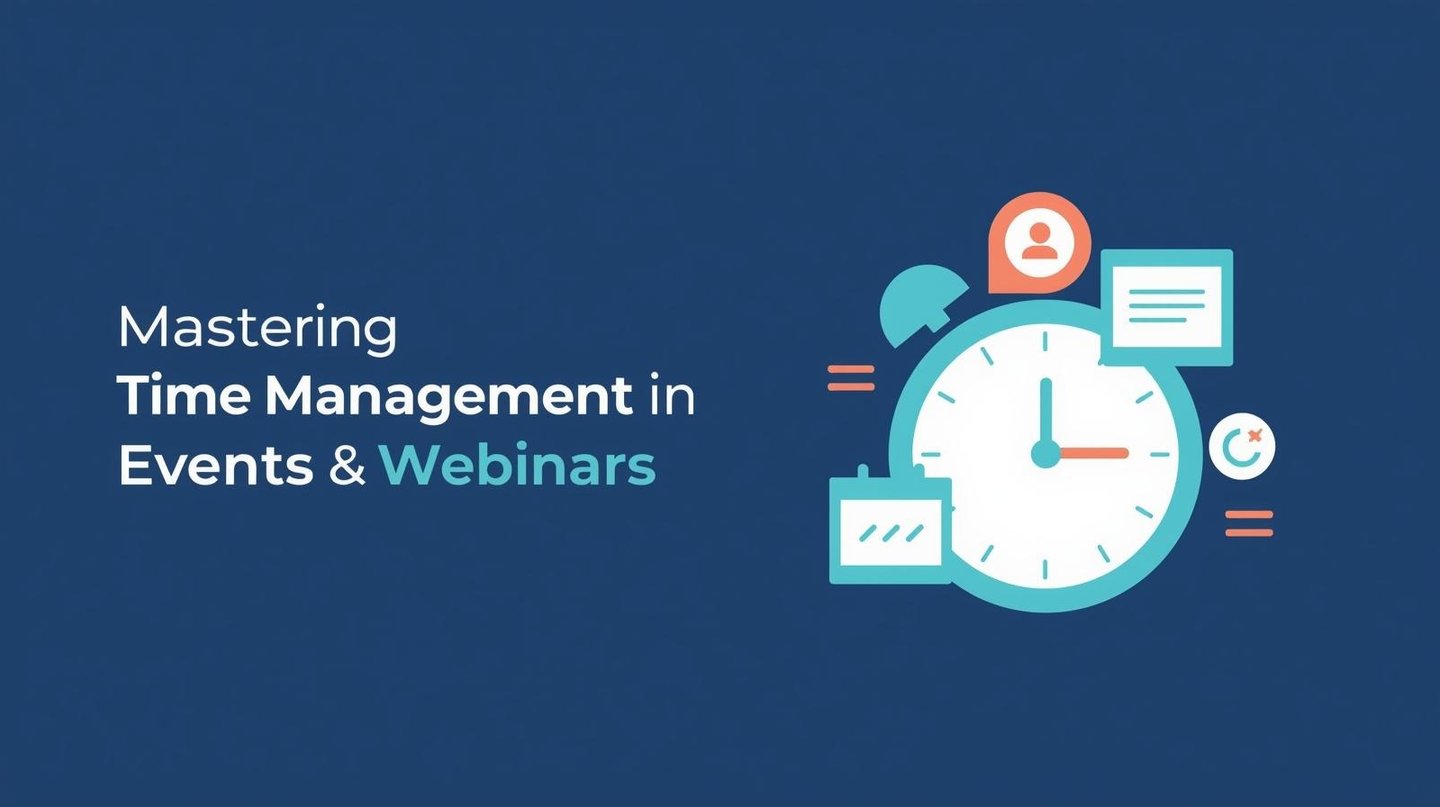
Mastering Time Management in Events & Webinars
Time is one of the most valuable resources in any event environment. Whether hosting a virtual webinar, moderating a hybrid conference, or running a physical stage event, managing the flow with accuracy ensures that both presenters and attendees have a positive experience. That’s where time-management techniques, countdown systems, and structured session planning become essential.
BLOG
12/3/20253 min read
Time is one of the most valuable resources in any event environment. Whether hosting a virtual webinar, moderating a hybrid conference, or running a physical stage event, managing the flow with accuracy ensures that both presenters and attendees have a positive experience. That’s where time-management techniques, countdown systems, and structured session planning become essential.
As digital events continue to rise, online audiences expect efficiency, clarity, and punctuality. Presenters must balance their content delivery with limited attention spans, technical steps, and audience engagement. In this guide, we explore the importance of structured timing and how organizers, hosts, and speakers can benefit from adopting a disciplined approach.
Why Time Management Shapes Event Quality
The way time is allocated determines the success of presentations, discussions, and transitions. When speakers exceed their limits, the entire event flow becomes disrupted. A well-managed timeline keeps everything on track and ensures that the audience receives the full intended value.
This is why many hosts now use a webinar timer to help presenters pace their sessions. Visible timing increases speaker confidence, reduces stress, and makes transitions smoother.
Keeping Speakers Aligned With Timers
A timer for speakers provides real-time visibility into how much time remains. This helps individuals avoid rushing final points or running over their allocated slot. In panel discussions, where timing is distributed among multiple contributors, a timer ensures balanced participation.
Timers also help beginners or nervous presenters stay focused. By knowing exactly how long they have, speakers can structure their delivery more effectively.
Managing Presenter Timing in Hybrid and Virtual Events
Speakers in online environments often juggle multiple elements: slides, microphones, chat questions, camera framing, and transitions. A timer for presenters helps them keep control over everything without losing track of time.
Whether the event is live-streamed, recorded, or interactive, the ability to monitor time is essential to maintaining a professional flow.
Session-Specific Timers for Structure
A countdown timer for sessions is frequently used to assign specific durations to each segment. Multi-session events like conferences, workshops, or summits require strict coordination to avoid spillover. When session timers are active, moderators and hosts can adjust pacing or encourage speakers to wrap up when necessary.
Countdowns also create a sense of urgency, helping presenters engage the audience at the right moments.
Webinar Timers: Enhancing Digital Event Quality
Using a countdown timer for webinar keeps everyone aligned with the agenda. Webinars usually include segments such as introductions, main content, demos, polls, and Q&A. Timers help hosts manage these transitions without exceeding the expected end time.
Audience satisfaction rises when events start and end punctually. Webinars that run too long often experience high drop-off rates, making pacing even more important.
Timers for In-Person and Stage Events
The use of an event timer is not limited to digital environments. Physical events including stage shows, training sessions, corporate gatherings, and academic competitions depend heavily on timing.
Event timers ensure fairness, consistency, and smooth transitions. They also help prevent long gaps or awkward pauses between speakers.
Stage events often incorporate a stagetimer positioned near the back of the room or backstage. It provides visual cues to speakers, helping them adjust their delivery without interruptions.
How Timers Improve Session Flow
Properly used timers contribute to:
Improved pacing
Cleaner transitions
Reduced overtime
Better audience engagement
Enhanced professionalism
A structured timeline also helps attendees plan their participation more effectively.
Practical Techniques for Better Timing
To manage time efficiently:
1. Plan Content Strategically
Time each segment carefully.
2. Rehearse Before the Event
Speakers should practice with timing in mind.
3. Use Buffer Segments
Short break periods help absorb minor delays.
4. Provide Timing Cues
Hosts should notify speakers when key milestones are approaching.
5. Keep Timing Visible
Timers should be accessible and easy to reference.
Conclusion
Time management forms the backbone of well-executed webinars, conferences, and events. Whether you’re a presenter, organizer, or moderator, incorporating structured timing elements will greatly enhance the professionalism and clarity of your sessions. From countdowns to visual cues and session pacing, mastering timing ensures your audience remains engaged and your event stays on track.
MassCalendar.in
Send Bulk & Mass Calendar Invites Instantly
CONTACT
Meetings
+44 (0) 203 916 5117
© 2025. All rights reserved.
Help?