Why Every Presenter and Event Organizer Needs Reliable Timing Tools
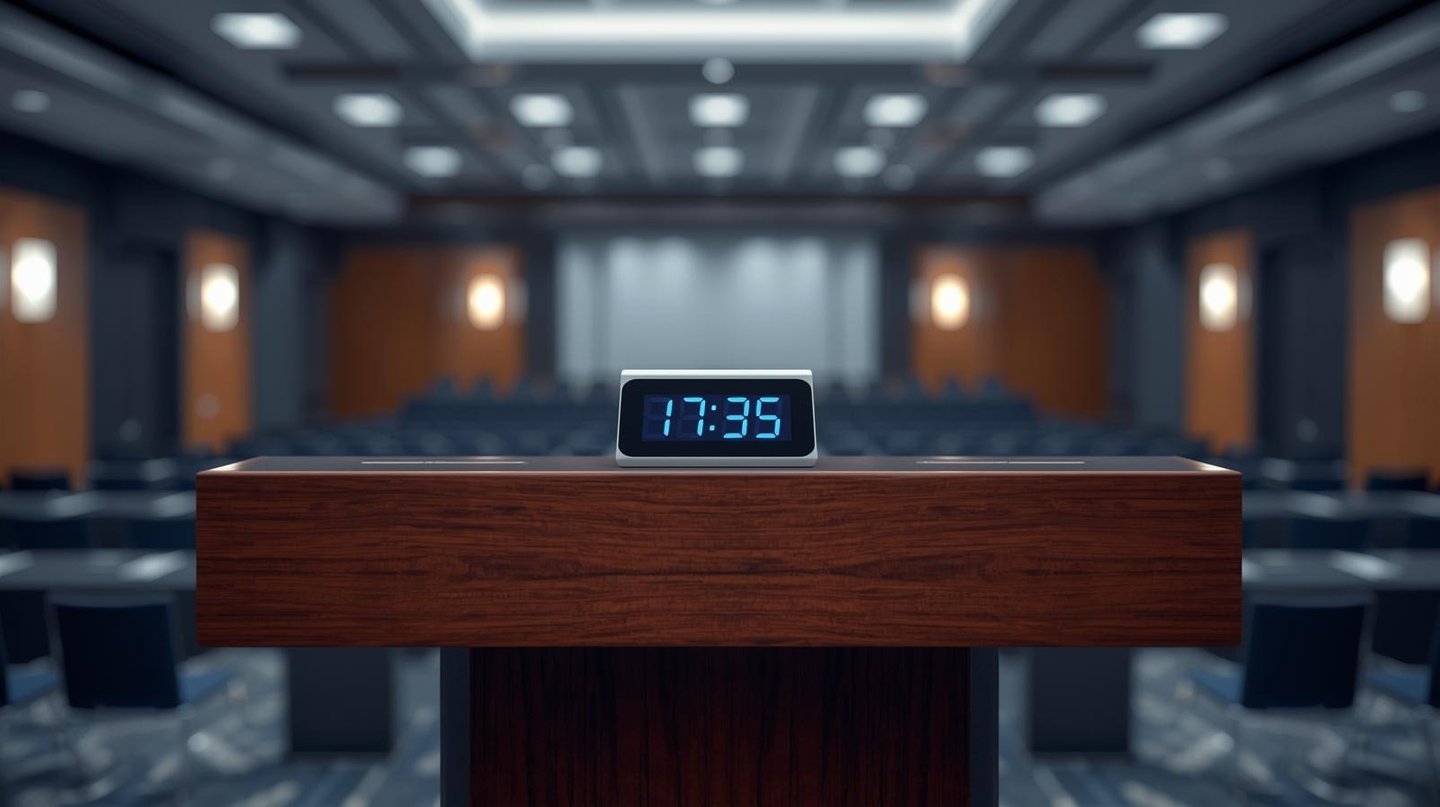
Ensuring that events run smoothly depends on many factors: planning, content, speaker coordination, and audience engagement. But among these, time management is often the most overlooked. Whether you’re handling a multi-speaker conference, a workshop, or a formal ceremony, using precise timing methods like a countdown timer for speakers or a stage timer can significantly improve event quality.
BLOG
12/5/20253 min read
Ensuring that events run smoothly depends on many factors: planning, content, speaker coordination, and audience engagement. But among these, time management is often the most overlooked. Whether you’re handling a multi-speaker conference, a workshop, or a formal ceremony, using precise timing methods like a countdown timer for speakers or a stage timer can significantly improve event quality.
This blog explores why timing tools matter, how they are used in various environments, and what organizers can do to ensure structured and engaging sessions.
The Importance of Time in Events
In events of any scale, timing determines flow. If one speaker runs long, the entire schedule may be affected. If breaks are delayed, attendees may lose interest. Without proper control, even a well-planned event can feel chaotic.
That’s why tools such as a conference timer or a presentation timer are essential. They help organizers maintain control while allowing presenters to stay focused on their content.
How Timers Support Speakers and Presenters
Presenters often juggle many tasks during their sessions explaining content, interacting with the audience, managing slides, and keeping the energy up. Losing track of time is easy.
Using a timer for presentation ensures:
Balanced pacing
Improved clarity
Proper coverage of key points
Professional delivery
Similarly, a countdown timer for presentation helps speakers stay within the allotted time, especially during formal events or competitions where precision matters.
Countdown Timers for Stage Events
Stage events such as ceremonies, entertainment programs, and keynote sessions operate with very tight deadlines. Transitions between sessions depend heavily on timing accuracy.
A countdown timer for stage ensures:
Smooth transitions
Enhanced coordination with crew
Consistent timing for performers
Better flow for the audience
Time cues help backstage teams coordinate technical elements like lighting effects, audio cues, and stage changes.
Conference Timers in Professional Settings
Conferences usually involve multiple tracks, workshops, breakout sessions, and networking opportunities. Managing all these components requires a structured time framework.
A conference timer keeps events consistent by:
Signaling speakers when time is almost up
Helping moderators control discussions
Allowing well-timed Q&A sessions
Ensuring that attendees stay engaged
Since many conferences now also stream sessions online, timing becomes even more important to maintain viewer interest.
Timers for Presenters and Speakers: Why They Matter
A countdown timer for presenters supports speakers in maintaining a steady rhythm. It also reduces anxiety, particularly for new speakers or those presenting in competitive environments.
Event managers also benefit because consistent timing reduces delays and last-minute adjustments.
A countdown timer for speakers also helps in scenarios such as:
Debates
Pitch competitions
Academic events
Corporate meetings
Workshops
These environments rely on fairness and uniformity, making timers indispensable.
General Countdown Timers: The Backbone of Time Management
A countdown timer is a universal tool useful across both digital and in-person settings. It helps manage sessions such as:
Online webinars
Trainings
Study sessions
Public speaking classes
Ceremonies
Rehearsals
Its flexibility makes it one of the most commonly used timing tools worldwide.
Integrating Timers Into Event Workflows
1. Pre-Event Preparation
Before the event, assign clear durations to each agenda item. Share timing expectations with speakers and moderators.
2. Use Visible Timing Displays
A stage timer should be clearly visible to presenters. This avoids unnecessary interruptions from staff.
3. Practice With Timers
Encourage speakers to rehearse using a timer for presentation so they familiarize themselves with pacing.
4. Use Backup Timers
Always keep a secondary timer available in case of device issues.
5. Give Speakers Warning Cues
Use color-coded countdown warnings or subtle signals when time is nearly up.
Timing Challenges and How to Solve Them
Despite careful planning, timing issues can still occur. Common challenges include:
Speakers overlooking cues
Technical glitches
Sessions exceeding the schedule
Delayed transitions
Solutions include clear communication, rehearsed coordination, and using reliable timing methods like a countdown timer for presenters.
Why Timers Improve Audience Experience
Audiences appreciate predictable, well-paced events. Timers indirectly help:
Keep content engaging
Prevent fatigue
Maintain structure
Ensure smooth movement between sessions
When speakers stick to time, attendees remain more attentive and satisfied.
Conclusion
Timers play a vital role in shaping the rhythm, structure, and success of any event whether it's a large conference or a small workshop. Tools such as a conference timer, a stage timer, or a countdown timer for presentation enhance clarity, professionalism, and organization.
By integrating reliable timing practices into your event planning workflow, you ensure that every session starts strong, flows well, and finishes right on time.
MassCalendar.in
Send Bulk & Mass Calendar Invites Instantly
CONTACT
Meetings
+44 (0) 203 916 5117
© 2025. All rights reserved.
Help?